Ciabatta Bread Recipe
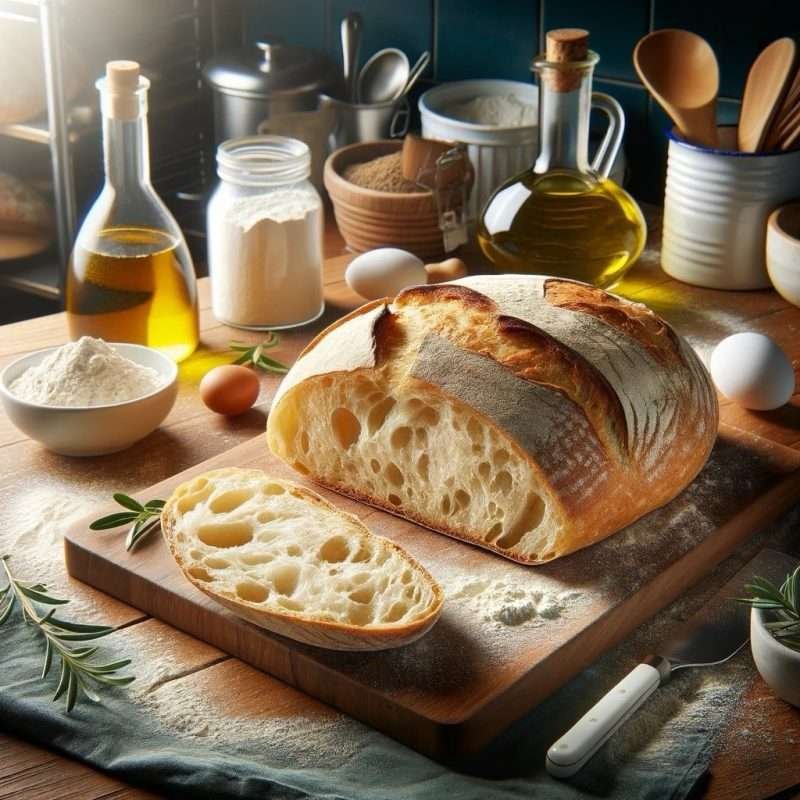
Alright, let’s dive into a recipe for a Crazy Good Ciabatta Bread that’s sure to impress with its crispy crust and airy, chewy interior. This Italian classic might seem daunting at first, but with a bit of patience and some straightforward steps, you’ll be turning out loaves that could easily hold their own in any artisan bakery. Remember, the key to a great ciabatta is hydration. A wetter dough leads to that open, airy crumb we’re all after.
Ingredients:
For the Poolish (Pre-ferment):
• 1 cup all-purpose flour
• 1 cup water (room temperature)
• ¼ teaspoon active dry yeast
For the Dough:
• All of the poolish
• 2 cups all-purpose flour
• 1½ teaspoons salt
• ½ teaspoon active dry yeast
• ¾ cup water (room temperature)
• 1 tablespoon olive oil (plus extra for handling the dough)
Instructions:
Making the Poolish:
Combine 1 cup of flour, 1 cup of water, and ¼ teaspoon of yeast in a large bowl. Stir until just combined; it will look shaggy and a bit lumpy. Cover with plastic wrap and let it sit at room temperature for 12-16 hours. The poolish will be ready when it’s bubbly and has doubled in size.
Preparing the Dough:
To the poolish, add the additional 2 cups of flour, 1½ teaspoons of salt, ½ teaspoon of yeast, and ¾ cup of water. Mix until all the ingredients are incorporated. The dough will be very sticky; that’s exactly what you want.
First Rise:
Drizzle the tablespoon of olive oil over the dough. Cover the bowl with plastic wrap and let it rise in a warm spot until it doubles in size, about 1½ to 2 hours.
Shaping the Dough
Generously flour a work surface and your hands. Carefully tip the dough out of the bowl onto the floured surface. Try to keep as much air in the dough as possible. The dough will be quite loose and sticky, so don’t be tempted to add more flour than necessary.
Gently shape the dough into a rough rectangle by folding it over onto itself a few times. You’re not looking to knead it, just to form it. Then, cut the dough into two equal pieces with a dough scraper or a sharp knife.
Second Rise:
Prepare two pieces of parchment paper by sprinkling them with flour. Transfer each dough piece onto its own piece of parchment paper. Shape each piece into a slipper shape, typical of ciabatta, by gently stretching and tucking the edges under just a bit. Cover the loaves with a clean kitchen towel and let them rise for about 45 minutes, until they’re puffy but not quite doubled in size.
Preheating the Oven:
While the dough is rising, preheat your oven to 475°F (245°C). If you have a baking stone, put it in the oven now. If not, an inverted baking sheet will work fine.
Baking:
Once the loaves have risen, gently transfer them (still on the parchment) to the hot baking stone or inverted baking sheet. Spray the oven with water (avoiding the oven light and glass door) to create steam, and quickly close the door. Bake for about 20-25 minutes, or until the loaves are golden brown and sound hollow when tapped on the bottom.
Cooling:
Transfer the baked loaves to a wire rack to cool for at least an hour before slicing. This waiting time allows the crumb to set and the flavors to develop.
Final Thoughts:
This ciabatta recipe, with its high hydration dough, might seem a bit tricky at first, especially when handling the sticky dough. But trust me, the result is well worth the effort. You’ll end up with a bread that boasts a beautifully crisp crust and a tender, airy interior, perfect for dipping in olive oil, making sandwiches, or just tearing off chunks to enjoy as is.