

Intro to Active Nutrition
Active nutrition is an approach to eating that aims to support physical activity and overall health. It’s not just for elite athletes; this nutrition plan benefits anyone looking to improve their energy levels, enhance physical performance, and facilitate recovery after workouts. The goal is to consume foods that fuel the body efficiently, support metabolic health, and maintain muscle function and recovery.
Discover the essentials of active nutrition, a lifestyle approach designed to optimize physical performance and recovery. Whether you’re an athlete or a fitness enthusiast, understanding the crucial role of macronutrients, hydration, and micronutrients can enhance your health and boost your energy levels.

This comprehensive guide offers practical food and drink suggestions, explores the benefits and potential pitfalls, and provides actionable tips for integrating active nutrition into your daily routine. Learn how to fuel your body effectively for both high-intensity workouts and everyday activities, ensuring optimal health and peak performance.
The Importance of Macronutrients in Active Nutrition
Proteins:
Proteins are fundamental for muscle repair and growth. Consuming adequate protein is crucial after physical activity, as it helps repair muscle tears and promotes the synthesis of new muscle tissue.
Suggested Foods:
Lean meats such as chicken and turkey, fish like salmon and tuna, dairy products like Greek yogurt and cottage cheese, and plant-based sources such as lentils, chickpeas, and quinoa.
• Pros: Enhances muscle recovery and growth, supports hormone production, and helps in weight management by increasing satiety.
• Cons: Excessive protein intake can lead to kidney strain in susceptible individuals and might contribute to dehydration due to increased urinary output.
Carbohydrates:
Carbohydrates are the body’s primary energy source during high-intensity activities. They replenish glycogen stores in muscles and the liver, delaying fatigue and preventing hypoglycemia.
Suggested Foods:
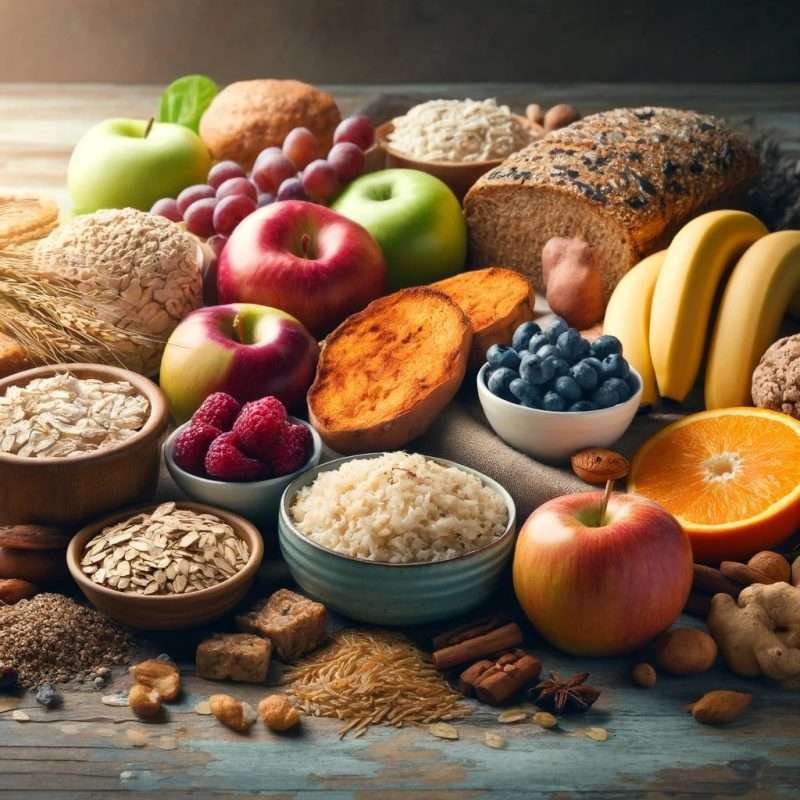
Whole grains like brown rice and oatmeal, starchy vegetables such as sweet potatoes and corn, fruits like bananas and apples, and legumes including beans and peas.
• Pros: Provides immediate and sustained energy, supports cognitive function, and enhances recovery.
• Cons: Consuming refined carbs can lead to spikes in blood sugar levels, potentially causing energy crashes and contributing to weight gain if not managed properly.
Fats:
Fats are essential for long-term energy, especially during prolonged low to moderate intensity exercise. They also play a vital role in hormone production and nutrient absorption.
Suggested Foods:
Avocados, nuts and seeds, olive oil, fatty fish like mackerel, and flaxseeds.
• Pros: Sustained energy, improved cell structure, and enhanced absorption of fat-soluble vitamins.
• Cons: High-fat foods are calorie-dense and can contribute to weight gain if consumed in excess. Poor choice of fats (like trans fats) can lead to cardiovascular health issues.
The Role of Hydration in Active Nutrition
Hydration is crucial to physical performance and overall health. Water regulates body temperature, lubricates joints, and helps transport nutrients to give you energy and keep you healthy.
Suggested Drinks:
Water, electrolyte-infused drinks, coconut water, and herbal teas.
• Pros: Enhances performance, aids digestion, helps nutrient absorption, and improves skin health.
• Cons: Overhydration can lead to water intoxication, which dilutes blood sodium levels and can be dangerous.

Importance of Micronutrients
Micronutrients support various bodily functions that play critical roles in maintaining energy and performance levels.
• Key Vitamins and Minerals:
Iron, calcium, magnesium, potassium, and vitamins D, C, and E.
Suggested Sources:
Leafy greens, nuts, seeds, whole grains, dairy products, and citrus fruits.
• Pros: Supports immune function, bone health, and muscle contraction.
• Cons: Micronutrient supplementation can sometimes lead to toxicity if not monitored, particularly fat-soluble vitamins.
Practical Diet Suggestions
To implement an active nutrition lifestyle, one should consider integrating balanced meals spread throughout the day, focusing on pre-and post-workout nutrition to optimize performance and recovery.
Pre-Workout Meal Ideas:
A blend of complex carbohydrates and protein, such as a banana with almond butter or a small bowl of oatmeal with berries. • Post-Workout Meal Ideas: A combination of protein and a bit more carbohydrates, like a chicken salad with mixed greens or a protein shake with a piece of fruit.
Conclusion
Active nutrition is a balanced, thoughtful approach to eating that supports an active lifestyle. By focusing on macronutrients, staying hydrated, and ensuring adequate micronutrient intake, individuals can enhance their health, optimize their physical performance, and enjoy a higher quality of life.

While there are many benefits to this lifestyle, it’s important to tailor dietary choices to personal health needs and activity levels to avoid potential drawbacks such as nutrient excess or deficiencies.
This comprehensive approach ensures that those engaging in regular physical activity can maintain peak performance and optimal health through thoughtful, deliberate nutritional choices.